Common knowledge

Categories – Stay informed with the latest zf news, trends, analysis, reviews, tips, and product updates. (Common knowledge_EN)

Can Electric Vehicles Drive Through Floodwater

Can EVs Drive Through Floodwater? How to Care for Your EV After Driving Through Flooded Roads and Prevent Potential Damage

Can EVs Drive Through Floodwater? Essential Care Tips After Driving Through Flooded Roads During the rainy season, Thailand often experiences flooding and waterlogged roads. Many electric vehicle (EV) owners may wonder whether EVs can safely drive through floodwater, whether there is a risk of electric shock or battery damage, and how the vehicle should be cared for afterward if driving through a flooded area cannot be avoided. Although many electric vehicles are designed with water- and dust-resistant protection for critical components, this does not mean they can safely drive through floodwater of any depth. Understanding the vehicle’s limitations and knowing the correct maintenance procedures are therefore essential for every EV owner. This article explains what EV drivers should know about driving through floodwater and provides practical guidance on how to inspect and care for the vehicle afterward to help reduce the risk of damage and improve overall safety. 1. Can Electric Vehicles Drive Through Floodwater? The answer is that EVs may be able to drive through shallow standing water in certain situations, but they should not be driven through deep floodwater or fast-moving water. Each vehicle model has different limitations regarding water depth, so the owner’s manual should always be used as the primary reference. Electric vehicles are equipped with high-voltage battery systems and electrical control units designed with protective measures according to the manufacturer’s standards. However, water resistance does not mean that the vehicle can remain submerged or sit in floodwater for an extended period without the risk of damage. Key areas that require particular attention include: High-voltage battery: If the battery pack or its sealing system is damaged, there may be electrical and thermal safety risks. Electrical systems and control units: Water and debris may affect connectors, wiring, and low-voltage electrical systems. Motor and drivetrain: The extent of potential damage depends on the vehicle’s design and the level of water exposure. Braking and suspension systems: Water, mud, and debris may affect performance and may also lead to corrosion. 2. What Water Levels Should EV Drivers Avoid? Shallow Standing Water on the Road Shallow water generally presents less risk than deep flooding. However, drivers should still check road conditions and refer to the vehicle manual before proceeding. If you are unsure whether there are potholes, uneven surfaces, or sudden changes in water depth, it is safer to take an alternative route. Water Level Near the Wheel Hub Driving through water at this level should be avoided because it may affect components underneath the vehicle as well as electrical systems. Guidance from the Electric Vehicle Association of Thailand recommends avoiding floodwater that rises above the wheel hub. Deep Floodwater, Fast-Moving Water, or Roads Where the Surface Cannot Be Seen Do not attempt to drive through these conditions. There is a serious risk of losing control of the vehicle, allowing water to enter critical systems, and creating potentially life-threatening situations. Important: There is no single water depth that can be considered safe for every EV. Always consider the manufacturer’s recommendations, water conditions, and road conditions together. 3. How to Care for an EV After Driving Through Floodwater After driving through standing water, even if the vehicle appears to operate normally, it is advisable to carry out a basic inspection. If the water level was high enough to pose a risk to the electrical system, the vehicle should be inspected by an authorized service center before being used again. Step 1: Inspect the Exterior of the Vehicle Check for mud, debris, damage underneath the vehicle, and visible water marks on the body. If any damage is found or there is reason to suspect that water has entered critical components, stop using the vehicle and contact a service center. Step 2: Inspect the Battery and Electrical Systems If the vehicle has been submerged, exposed to water reaching a potentially hazardous level underneath the vehicle, or displays an electrical system warning, have a qualified technician inspect the high-voltage battery, wiring, connectors, and control systems. Do not open the battery pack or disconnect high-voltage cables yourself. Step 3: Clean and Remove Moisture Check the carpets, cabin floor, seats, and luggage compartment for signs of water ingress. If water has entered the interior, necessary components should be removed and properly dried by a technician to help reduce the risk of unpleasant odors, mold, and corrosion. Step 4: Inspect the Braking and Suspension Systems Have the braking system, wheels, suspension, and other components that may have come into contact with water or mud inspected, especially if the vehicle has been driven through floodwater containing large amounts of debris. Step 5: Inspect the Vehicle Before Charging If the vehicle has been flooded or there is any suspicion that water may have entered the charging port, battery system, or electrical components, do not connect the vehicle to a charger until a service center has inspected it and confirmed that it is safe. Any charging equipment that has come into contact with water should also be inspected. 4. What Should You Do If an EV Has Been Submerged in Floodwater? Immediate Actions 1. Do not switch on the vehicle or attempt to start it, even if it appears normal from the outside. 2. Do not connect the vehicle to a charger, and do not attempt to disconnect or repair the high-voltage electrical system yourself. 3. Contact an authorized service center and your insurance provider for advice and to arrange suitable flatbed transportation. 4. If it is safe to do so, take photographs of the vehicle and the floodwater level as evidence for an insurance claim. 5. If you notice smoke, an unusual odor, a hissing sound, or abnormal heat, move away from the vehicle immediately and contact emergency services. 5. How to Prevent EV Damage During Flooding Preparing in advance can significantly reduce the risk of damage, especially in areas where heavy rain or flash flooding warnings have been issued. Monitor weather and flood warnings and plan your route before traveling. If there is a risk of flooding, move the
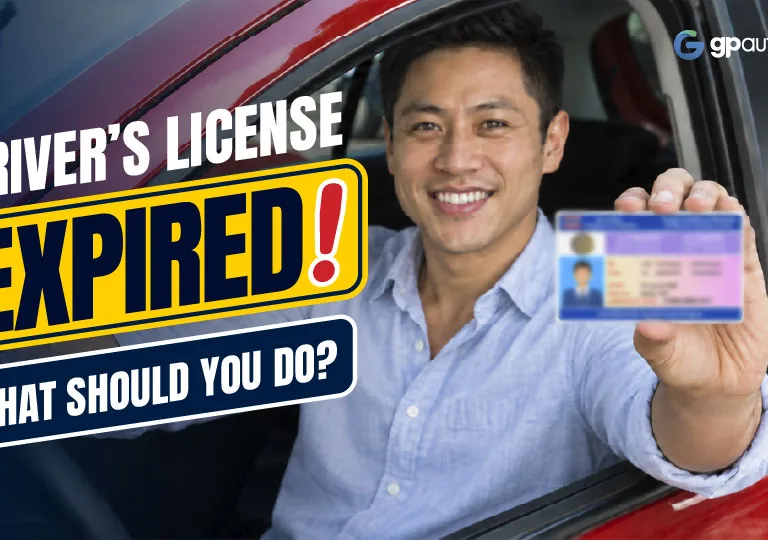
DRIVER’S LICENSE EXPIRED WHAT SHOULD YOU DO

How Long Is a Driver’s License Valid, and What Should You Do When It Expires? Update 2026

How Long Is a Driver’s License Valid, and What Should You Do When It Expires? Each type of driver’s license has a different validity period. If your license is close to its expiration date, check the date and prepare for renewal in advance. This will help you continue driving legally and avoid extra renewal steps. 1. Temporary Driver’s License – Valid for 2 Years First-time applicants for a private car or motorcycle driver’s license will receive a temporary driver’s license valid for 2 years. After you hold the license for the required period and meet the necessary qualifications, you can upgrade it to a private driver’s license. 2. Private Driver’s License – Valid for 5 Years A private car or motorcycle driver’s license is generally valid for 5 years. You can renew it according to the rules of the Department of Land Transport. 3. Public Vehicle Driver’s License – Valid for 3 Years A driver’s license for a public car, public three-wheeled vehicle, or public motorcycle is valid for 3 years. What Should You Do If Your Driver’s License Has Expired? The renewal process depends on the type of driver’s license and how long it has been expired. Private Driver’s License Expired for no more than 1 year You can follow the normal renewal process without taking the written or driving test again. Expired for more than 1 year but no more than 3 years You need to take the written test again. Expired for more than 3 years You need to take both the written test and the driving test again. Public Vehicle Driver’s License Expired for no more than 1 year You need to complete the required training, take a physical fitness test, and undergo a criminal background check. Expired for more than 1 year but no more than 3 years In addition to the required training and physical fitness test, you need to take the written test and undergo a criminal background check. Expired for more than 3 years You need to complete the required training, take a physical fitness test, pass both the written and driving tests, and undergo a criminal background check. How Many Months in Advance Can You Renew Your Driver’s License? You do not need to wait until your driver’s license expires. You can apply for renewal before the expiration date. Private Driver’s License: You can apply for renewal up to 6 months before the expiration date. Public car, public three-wheeled vehicle, and public motorcycle driver’s licenses: You can also apply for renewal up to 6 months before the expiration date. Check the expiration date on your driver’s license regularly and plan your renewal in advance. Early preparation can help you avoid an expired license and additional renewal requirements. Reference information: Department of Land Transport and the Government Contact Center website (info.go.th).

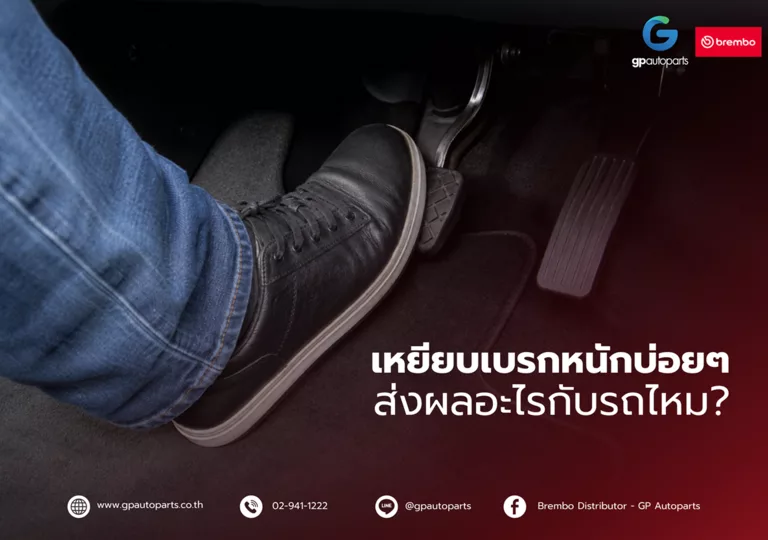
เหยียบเบรกบ่อยๆ 1

Does Frequent Hard Braking Affect Your Car?

Does Frequent Hard Braking Affect Your Car? Many drivers may have a habit of accelerating and braking repeatedly, or may need to brake hard frequently because of traffic conditions. Although the braking system is designed to stop the vehicle safely, repeated heavy braking can still affect various vehicle components over time. So, what happens to your car if you brake hard too often? Let’s take a look. 1. Brake Pads Wear Out Faster Hard braking creates greater friction between the brake pads and brake discs. As a result, the brake pads can wear faster than under normal driving conditions. If this driving behavior occurs regularly, the brake pads may need to be replaced sooner than expected. 2. Brake Discs Build Up More Heat Heavy braking causes brake disc temperatures to rise quickly. If this happens repeatedly, excessive heat may contribute to disc distortion, surface damage, or cracking over time. This may also cause vibration or pulsation when braking. 3. Brake Fluid May Deteriorate Faster Heat generated by the braking system can transfer to the brake fluid. Repeated exposure to high temperatures may accelerate fluid degradation. If the brake fluid is not properly maintained, braking performance may be affected and driving risk may increase. 4. Suspension and Tires Carry Greater Loads During hard braking, the vehicle’s weight shifts toward the front. This places additional load on the shock absorbers, suspension joints, and tires. Frequent heavy braking may therefore contribute to faster wear of these components. 5. Unnecessary Fuel Consumption Repeatedly accelerating and then braking wastes energy and can increase fuel consumption compared with smoother driving and anticipating traffic conditions ahead. How to Reduce Hard Braking and Extend Brake System Life Maintain a safe following distance Anticipate traffic conditions ahead Slow down early instead of braking suddenly Regularly inspect the brake pads, brake discs, and brake fluid Choose quality braking components that meet proper standards Occasional hard braking may not cause immediate problems. However, if it becomes a regular driving habit, it can accelerate wear on the brake pads, brake discs, brake fluid, suspension, and tires, resulting in higher maintenance costs. Smooth driving and regular brake system inspections can help improve safety and extend the service life of your vehicle. Brembo — Premium Products from a Global Leader in Braking Systems from Italy

ต่อพ.ร.บ. กับภาษีรถยนต์ 2568

What’s the Difference Between Por Ror Bor (Compulsory Motor Insurance) and Annual Car Tax in Thailand? (Updated 2025)

What’s the Difference Between Por Ror Bor (Compulsory Motor Insurance) and Annual Car Tax in Thailand? (Updated 2025) For every car owner in Thailand, renewing Por Ror Bor (Compulsory Motor Insurance) and paying the annual car tax are mandatory yearly responsibilities However, many people still confuse the two, thinking they are the same This article will clearly explain the key differences, updated with the latest information for 2025. Por Ror Bor (Compulsory Motor Insurance) – Protects People Por Ror Bor refers to the Compulsory Motor Insurance Act, which requires every registered vehicle in Thailand to have this coverage. Coverage: Provides financial protection for victims of road accidents, including medical expenses, funeral costs, and compensation for drivers, passengers, and third parties. Renewal: Must be renewed annually. Without it, vehicle owners cannot renew their annual car tax and may face fines. Proof: Policyholders receive a Por Ror Bor insurance policy document, issued by an insurance company as legal proof of coverage. Annual Car Tax (Car Registration Sticker) – Covers the Vehicle The annual car tax is a government fee that every car owner must pay once a year to legally use their vehicle on public roads. Purpose: The collected tax is used to maintain and improve Thailand’s road infrastructure, bridges, and transportation systems. Validity: Each payment covers 1 year (365 days) from the date of renewal. Owners can renew up to 90 days in advance before expiration. Proof: Once payment is completed, owners receive a car tax sticker, which must be displayed on the vehicle. Penalty: If the tax is not renewed for more than 3 years, the vehicle registration will be suspended, requiring re-registration and possible backdated fines. Required Documents (for Private Cars) Vehicle registration book (or a certified copy) Valid Por Ror Bor insurance certificate (not expired) Vehicle inspection certificate (from an authorized inspection center – Tor Ror): Cars over 7 years old Motorcycles over 5 years old Where to Renew Annual Car Tax Department of Land Transport (DLT) offices nationwide Walk-in or book an appointment via the DLT Smart Queue app Online via DLT e-Service: https://eservice.dlt.go.th/ Thailand Post Offices: Submit documents and pay at any nearby post office Counter Service: Available at 7-Eleven and other partnered convenience stores Shopping Malls: Through the program “Shop Thru for Tax” Summary: Por Ror Bor = Protects people (mandatory insurance, required to renew car tax) Car Tax = Legal fee for the vehicle (annual government tax, proof via sticker) Both must be renewed every year to ensure that your car remains legal, safe, and compliant on Thai roads.

โคลงเคลง

Car “Swaying”: A Warning Sign of Failing Suspension You Shouldn’t Ignore

Have you ever felt your car sway, lose grip, or wobble when changing lanes quickly, taking a corner, or driving over uneven roads? This “swaying” sensation is not just about reduced driving comfort; it’s a clear warning sign that your car’s suspension system is having problems and could lead to unexpected dangers. What Causes Car Swaying? 4 Key Suspension Parts to Check Swaying symptoms are often caused by the deterioration of crucial components in the suspension system, which are responsible for absorbing impacts and maintaining the stability of the vehicle. The points that should be checked first are: 1. Worn-Out Shock Absorbers Shock absorbers dampen the movement of the springs, keeping the car stable and hugging the road. But when shock absorbers wear out or “die,” they can no longer control the spring’s rebound. Symptoms: The car bounces up and down multiple times after going over a speed bump, oil leaks from the shock absorber body, the front of the car dips more than usual during hard braking. 2. Loose or Broken Sway Bar & Bushings This component directly prevents the car from “swaying” when cornering by distributing pressure to the opposite wheel to maintain balance. Symptoms: The car leans excessively when turning or cornering, there are rattling noises from under the car near the wheels. 3. Loose or Damaged Ball Joints Ball joints act as “connectors” in the suspension system, such as control arm ball joints and tie rod ends. When they become loose, it makes precise steering difficult. Symptoms: Loose steering wheel with slow response, clunking noises when turning the steering wheel or driving on rough roads, uneven tire wear. 4. Fatigued or Sagging Springs Springs directly support the weight of the vehicle. If they become fatigued or sag, it changes the car’s height and affects its center of gravity. Symptoms: One side of the car appears noticeably lower than the other, there are noises when driving over bridge joints. Dangers of Ignoring Car Swaying Symptoms Ignoring this problem can lead to severe consequences: Loss of Control: In an emergency situation requiring sudden evasive action, the car may easily lose stability and spin. Increased Braking Distance: Due to the wheels not making full contact with the road, braking performance is reduced. Premature Tire Wear: An imperfect suspension causes tires to wear unevenly or in a “cupped” pattern, leading to increased costs. Risk of Accidents: Components like ball joints could detach or break, potentially leading to a complete loss of vehicle control. The “swaying” symptom is not a minor issue; it’s a warning sign from your suspension system indicating it’s time for maintenance. Do not let a small problem turn into a serious accident.

ICE2C HEV E0B981E0B8A5E0B8B0 BEV 960x540 1

ICE, HEV, and BEV: Comparing 3 Types of Cars – Which One is Right for You?

The Thai automotive market is evolving rapidly! Between the familiar Internal Combustion Engine (ICE), the fuel-efficient Hybrid Electric Vehicle (HEV), and the futuristic Battery Electric Vehicle (BEV), which one should you choose? This article will take you through a clear comparison of all three types. ICE: Internal Combustion Engine The traditional vehicle type powered solely by an internal combustion engine. Its basic principle is converting chemical energy stored in fuel (such as gasoline or diesel) into mechanical energy. Fuel and air are mixed and ignited inside the combustion chamber, creating high-pressure explosions that push the pistons. This motion is then transferred to the crankshaft, generating rotational energy to drive the wheels. Advantages: A well-known technology that has been refined for decades. Complete infrastructure support, with fuel stations and maintenance centers widely available. Considerations: Requires regular maintenance such as oil changes. Energy loss occurs through heat and friction, reducing efficiency. HEV: Hybrid Electric Vehicle Commonly known as “hybrids,” HEVs combine internal combustion engines with electric motors. Both systems work together to improve fuel efficiency. There are two main types: Full Hybrids, which can run short distances on electric power alone, and Mild Hybrids (MHEV), where the electric motor primarily assists the combustion engine. Advantages: Significantly more fuel-efficient than ICE cars, especially in city driving where the car can switch to electric mode. Electric motor support reduces engine lag and improves responsiveness. Considerations: More complex systems, as both the engine and electric components need maintenance. Still reliant on combustion engines, meaning some emissions remain, though lower than ICE.     BEV: Battery Electric Vehicle Fully electric vehicles powered entirely by electricity, with no internal combustion engine at all. This makes them “zero tailpipe emission” vehicles. Energy stored in large battery packs is converted through an inverter to power the electric motor, which directly drives the wheels. Advantages: Instant torque from electric motors delivers quick acceleration and responsiveness. 100% electric drive means zero exhaust emissions, helping reduce environmental impact. Considerations: Charging takes significantly longer than refueling, requiring careful trip planning. Battery replacement can be costly once it degrades beyond warranty coverage. Which One Should You Choose? There’s no one-size-fits-all answer. The best choice depends on your lifestyle, budget, and convenience needs: ICE if you want familiarity, easy servicing, and quick refueling. HEV if you prioritize fuel savings but still want flexibility. BEV if you’re eco-conscious and ready to embrace the future of mobility. Ultimately, buying a car means weighing clear pros and cons—and the right car for you depends on what you value most.  

วิธีเลือกเกียร์รถ

Choosing the Right Gear at Red Lights: Drive, Neutral, or Park?

Choosing the Right Gear at Red Lights: Drive, Neutral, or Park? Selecting the right gear while waiting at red lights is essential, especially in heavy city traffic. Frequent stops, long idle times, or slow movements can affect your transmission if handled incorrectly. Here are some practical tips to help preserve your transmission and extend your vehicle’s lifespan. When stopping briefly (less than 1 minute) Gear D (Drive):Use Drive if you’re stopping for a short time, such as waiting at a red light or during slow-moving traffic. Simply keep your foot on the brake without shifting gears frequently. This helps reduce unnecessary wear and tear on the transmission. When stopping for longer (more than 1 minute) Gear N (Neutral):Switch to Neutral and pull the handbrake to prevent the car from rolling. This reduces the heat buildup in the transmission and can help save fuel during long stops. Avoid using Gear P (Park) while idling Do not use Park while the engine is running and the car is stopped at traffic lights. Park locks the transmission, and if engaged while the car is still moving, it may cause serious damage.Use Park only when the engine is turned off or when parking on a slope to prevent rolling. For manual transmission cars Always shift to Neutral (N) and pull the handbrake when stopped. Avoid holding the clutch pedal down, as it will wear out the release bearing faster. 👉 Choosing the correct gear at red lights not only protects your transmission but also improves safety and fuel efficiency, especially in cities with frequent traffic congestion.

รู้ทันโควิด

Stay Aware of COVID-19! XEC Variant Symptoms & How to Stay Safe

Content (English Version) The COVID-19 situation in Thailand and many countries around the world is now facing a new subvariant of Omicron: XEC.This variant is notable for spreading faster than previous strains. In Thailand, more than 71,000 cases have been reported after the Songkran festival, with children aged 0–4 years being the highest-risk group. 📋 Common symptoms of XEC variant (similar to earlier Omicron strains): Fever Cough Sore throat Runny or stuffy nose Muscle aches Unlike the early COVID-19 waves, loss of smell or taste is not a key symptom, making it harder to differentiate from influenza or common cold. ATK testing remains essential for confirmation. 📍 High-risk groups include: Young children (especially ages 0–4) Elderly (60+) Pregnant women People with underlying conditions (obesity, cancer, diabetes, hypertension, heart disease, kidney disease) ✅ How to protect yourself: Wear a mask in public and crowded places Wash your hands often with soap or alcohol-based sanitizer Avoid crowded or poorly ventilated areas Take an ATK test if flu-like symptoms appear Isolate immediately if positive High-risk groups should get booster vaccinations as advised by doctors The XEC subvariant spreads quickly and has flu-like symptoms, making caution and early testing vital to prevent further community transmission. Vaccination and strict personal protection remain key defenses against severe illness. 🚚 📦 Despite the uncertainty, GP Autoparts continues to deliver auto parts safely and reliably.✅ Sterile packaging processes✅ Regular health checks for staff✅ Complete, on-time, and safe delivery to every customer We stand by your business with safe and timely parts delivery — in every situation. #COVIDXEC #GPAutoparts #AutoParts #StaySafe

หน้าฝนนี้ ลุยน้ำยังไงให้ปลอดภัย

How to Drive Safely Through Flooded Roads This Rainy Season?

How to Drive Safely Through Flooded Roads This Rainy Season? When the rainy season arrives, drivers must be extra cautious—especially when navigating flooded streets. Choosing the right driving techniques and taking proper care of your vehicle after driving through water can prevent accidents and costly damage. Here are some practical tips to keep you and your car safe. 1. Assess the Water Level Before Entering Water should not exceed half the wheel height (about 30 cm). Avoid driving if the water is higher, as it may enter the engine or cabin. If the water reaches door level – stop immediately! Don’t risk it. If water enters your vehicle, turn off the air conditioning, cut the power, and disconnect the battery (if possible) to prevent electrical short circuits. 2. Techniques for Driving Through Flooded Roads Use Low Gear & Maintain Low Speed Manual: Gear 1 or 2 Automatic: Gear L or 1 Keep RPM between 1,500–2,000 to prevent stalling. Keep Distance Increase following distance to about 50 meters as braking efficiency is reduced in water. Turn Off the A/C in Deep Water Prevents the fan from pulling water into the engine bay. Do Not Rev the Engine Hard Sudden acceleration can suck water into the engine. If the Car Stalls – Do Not Restart Restarting may pull water into the air intake, causing severe damage. Turn on hazard lights and call for assistance. 3. After Driving Through Floods: What to Do Let Exhaust Dry Before Turning Off Engine Pump the Brakes 2–3 times to remove water. Check Systems: Engine (no abnormal noise or white smoke) Brakes (responsive after drying) Electrical system (no flickering lights). Inspect Cabin, Carpets, and Fuse Box Dry thoroughly to prevent mold, odor, or short circuits. 🚗 Stay safe this rainy season! Drive carefully and keep your car in top condition to handle any weather. #RainySeason #SafeDriving #CarCare

เปลี่ยนใบปัดน้ำฝนแบรนด์ไหนตอบโจทย์รถคุณ D

Which Wiper Blade Fits Your Car Best? ACDelco vs DENSO

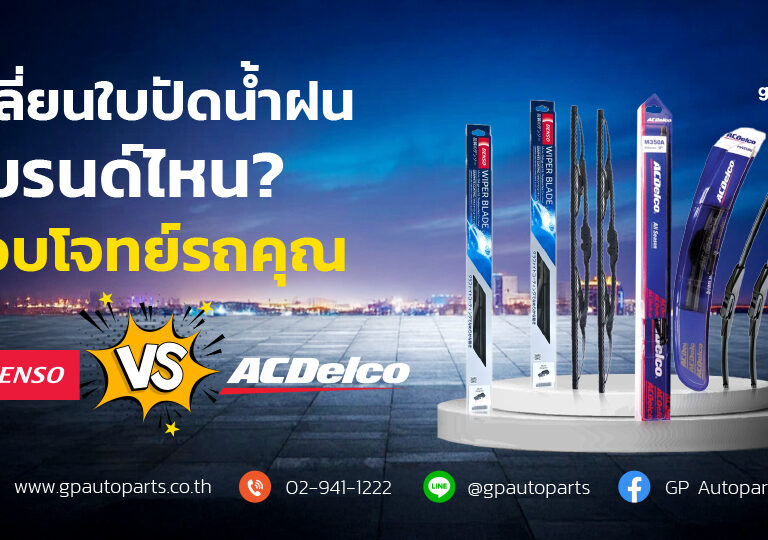
Which Wiper Blade Fits Your Car Best? ACDelco vs DENSO Choosing the right wiper blade for your car is essential, as high-quality wipers ensure better visibility and safer driving. Let’s take a look at the key features of two popular brands — ACDelco and DENSO — to help you decide which one suits your needs best. Highlights of ACDelco Equipped with a Universal Adaptor, making installation compatible with a wide range of vehicles. Durable frame designed to withstand sunlight and harsh weather conditions. High flexibility for smooth, streak-free, and quiet wiping performance. Available in two types: traditional frame-type and beam-type blades, providing options to match different vehicle models and preferences. Highlights of DENSO Features Graphite Coating on the rubber blade, reducing friction and maintaining shape. Smoothing Technology ensures consistent pressure across the windshield, delivering smooth performance on curved glass surfaces. Precision Super Cut rubber design enhances smoothness and provides a cleaner wipe. Which One Should You Choose? Both brands offer high-quality wiper blades suitable for Thailand’s weather conditions. If you prioritize durability and easy installation, ACDelco is a strong option. If you’re looking for advanced technology and smoother wiping performance, DENSO might be the better fit. In the end, the choice depends on your driving needs and the level of performance you expect from your wiper blades.