Product-en

TAG – Product แหล่งรวบรวม ข่าวสาร ความเคลื่อนไหว สถานการณ์ บทวิเคราะห์ การทดสอบ และ สาระน่ารู้ รวมถึงเป็นสื่อกลางข้อมูลผลิตภัณท์

How to Change Wiper Blades Yourself: Easy Like a Pro!

Changing your wiper blades will no longer be a difficult and complicated task! ACDelco offers high-quality Beam Blade with Spoiler wipers that come with 7 types of adapters in a single set, covering a wide range of cars on the market and allowing you to easily change them yourself at home. 1.Adapter รูปตัว U (U-Type / Hook Arm) Best for: Standard hook arms, the most common type. Popular with: Most Japanese and Korean vehicles – Toyota, Honda, Isuzu, Mitsubishi, Nissan, Mazda, Hyundai, Kia. 2.Adapter รูปตัว P&H (Pin & Hook Arm) Best for: Side pin arms. Popular with: Many European and American vehicles – Volkswagen, BMW (some models), Mercedes-Benz (some models), Ford Ranger (some models), Chevrolet Captiva. 3.Adapter รูปตัว PTB (Push Tab Button) Best for: Push button arms. Popular with: Newer European vehicles – Volkswagen, BMW, Mercedes-Benz, Audi. 4.Adapter แบบ NTPB (Narrow Top Push Button) Best for: Narrow push button arms (smaller than standard). Popular with: Newer models – Honda Civic/Accord, Toyota Camry, Lexus. 5.Adapter แบบ NPTB2 (Narrow Push Tab 2nd Gen) Best for: Second-generation push button arms with unique designs. Popular with: Premium European & Japanese vehicles – Audi, Volvo, Lexus, BMW, Mercedes-Benz. 6.Adapter แบบ DE (Double End / Side Lock) Best for: Double-end or pinch tab arms. Popular with: Certain European models – Volkswagen Passat, Audi A4/A6, Skoda. 7.Adapter แบบ I&L (Insert & Lock) Best for: Bayonet arms. Popular with: European and Japanese vehicles – BMW Series, Mercedes-Benz, Subaru, Mazda (some models). 📌 Basic Installation Steps Remove the old adapterPress or pull the lock mechanism to release the old wiper blade (depending on adapter type). Insert the new adapterSelect the correct ACDelco adapter for your vehicle and attach it securely to the new wiper blade. Slide and lockPush the blade into the arm until you hear a “Click,” indicating it is locked in place. Check for securityGently move the blade to ensure it’s firmly attached and ready to use. ✅ Easy installation, hassle-free, and ready in just a few steps!With ACDelco Beam Blade with Spoiler, you’ll enjoy clear visibility and enhanced safety in every driving condition. #ACDelcoWiperBlades #WiperBladeAdapter #DIYWiperReplacement

Does Rust on Brake Discs Affect Performance?

Orange rust stains on brake discs after exposure to moisture are a common occurrence. However, rust can be harmless or dangerous, and it’s important to know the two main types so you can identify which is safe and which is a warning sign that your car needs inspection. 1. Surface RustIf the rust is only light on the surface of the brake disc, it generally does not affect performance. When you drive and apply the brakes for the first few times, the rust will be scrubbed off by the friction from the brake pads, restoring the disc’s smooth surface. This type of rust is normal and not a cause for concern. 2. Deep or Pitted RustIf the rust is thick or deep and penetrates into the metal of the brake disc, it can cause problems such as brake noise, reduced braking performance, uneven brake pad wear, and brake pedal pulsation. This type of rust is often caused by leaving the vehicle parked for long periods and is a safety issue that should be addressed immediately. Prevention Tips: Use the brakes regularly to help keep the disc surface clean. Park in a dry, covered area to reduce direct exposure to rain and moisture. Avoid spraying oil or lubricants on the brake disc, as this can make the surface slippery and reduce braking efficiency. Solutions: Brake Disc Resurfacing – Removing the rough, rusted surface layer to restore smoothness, if the rust is not too deep and the disc still meets minimum thickness standards. Replacing the Brake Discs – The safest option if the rust is deep or the discs are worn below the manufacturer’s minimum thickness. Discs should be replaced in pairs (left and right) to maintain balanced braking. Rust on brake discs is not always dangerous. If it’s only light surface rust that appears temporarily, there’s no need to worry. However, if it’s deep rust that affects braking performance, consult a qualified mechanic immediately—because the braking system is essential to your driving safety.

เรื่องอะไหล่…ทำไมต้องเป็น GP Autoparts?

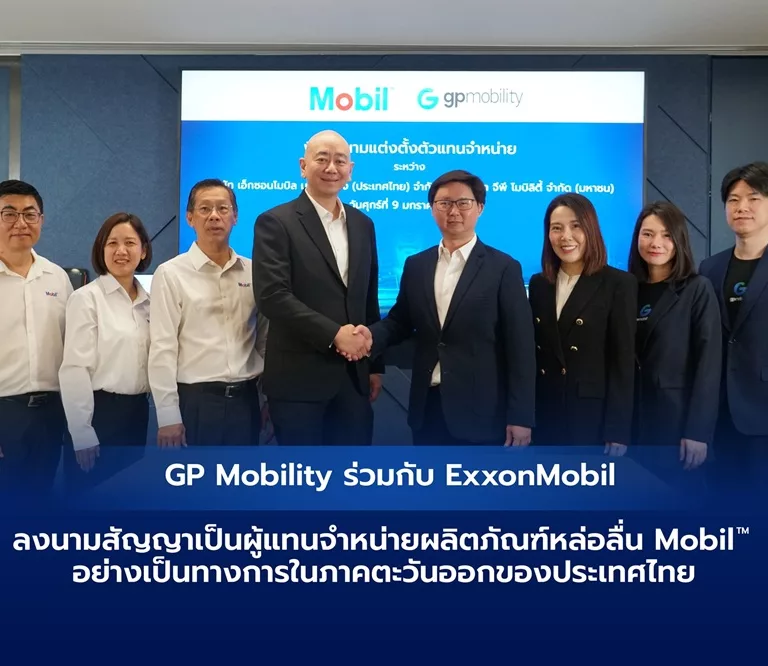
44 ปี ของความเชี่ยวชาญ (2524 – ปัจจุบัน) จากร้านอะไหล่หนึ่งคูหาที่เริ่มต้นในปี 2524 ในนาม “ห้างหุ้นส่วนจำกัด จี.พี.อะไหล่” ที่มุ่งจำหน่ายเฉพาะอะไหล่แท้เพื่อสร้างความมั่นใจให้แก่ลูกค้า จนกลายมาเป็น บริษัท จีพี โมบิลิตี้ จำกัด (มหาชน) ผู้นำด้านการจัดจำหน่ายอะไหล่รถยนต์อย่างครบวงจรในปัจจุบัน เราได้รับความไว้วางใจจากคู่ค้าในกลุ่ม B2B ครอบคลุมทั้งร้านอะไหล่, อู่ซ่อม, ศูนย์บริการรถยนต์ และองค์กรกว่า 4,000 รายทั่วประเทศ ด้วยการขับเคลื่อนด้วยความเป็นเลิศในการปฏิบัติงานผ่านมาตรฐานการบริหารงานคุณภาพระดับสากล และยึดมั่นในวัฒนธรรมองค์กรที่แข็งแรง “เพราะเราไม่ได้ส่งแค่ชิ้นส่วนอะไหล่ แต่ส่งมอบความมั่นใจในทุกกล่อง ทุกคำตอบ และทุกการสนทนา” และเพื่อสื่อถึงคุณภาพที่เรายึดมั่นมาตั้งแต่วันแรก เราใช้ชื่อ “GP Autoparts” เป็นเครื่องหมายการค้าอย่างเป็นทางการสำหรับผลิตภัณฑ์และบริการในกลุ่มอะไหล่รถยนต์ ชื่อที่ลูกค้าคุ้นเคยและไว้วางใจมาอย่างยาวนาน ซึ่งยังคงเป็นสัญลักษณ์ของคุณภาพและความเชื่อมั่นมาจนถึงวันนี้ เราคัดสรรอะไหล่คุณภาพจากกว่า 30 แบรนด์ชั้นนำ ทั้งอะไหล่แท้สำหรับรถยนต์รุ่นยอดนิยมและอะไหล่ทดแทนคุณภาพสูง ครอบคลุมทุกระบบของรถยนต์ เครื่องยนต์และระบบส่งกำลัง ช่วงล่างและระบบเบรก ระบบไฟฟ้า-ปรับอากาศ ชิ้นส่วนตัวถัง เคมีภัณฑ์ ด้วยสต๊อกสินค้าพร้อมส่งกว่า 30,000 รายการ เราพัฒนากลยุทธ์ ‘Human Touch Plus AI’ ที่ผสานความเชื่อใจและความเข้าใจลูกค้าอย่างลึกซึ้งเข้ากับเทคโนโลยีอัจฉริยะ เพื่อยกระดับประสบการณ์การซื้อขาย นวัตกรรมที่โดดเด่นคือ GO Plus ระบบ Customer Portal ที่ช่วยลูกค้าเข้าถึงฐานข้อมูลอะไหล่ที่ครอบคลุมกว่า 200,000 รายการได้อย่างแม่นยำ พร้อมระบบตรวจสอบสต๊อก สถานะสินค้า และสิทธิประโยชน์ต่างๆ รวมถึงระบบ Chatbot และ AI Assistant ที่ช่วยตอบคำถามตลอด 24 ชั่วโมงทุกวัน ศูนย์กระจายอะไหล่ชั้นนำแบบครบวงจรของ GP Mobility ถูกออกแบบมาเพื่อตอบสนองความต้องการของลูกค้าทั่วประเทศ ภายใต้ระบบโลจิสติกส์อันทันสมัยที่สามารถจัดส่งถึงมือลูกค้าทั่วประเทศภายใน 24 ชั่วโมงระบบการจัดการคลังสินค้าที่ทันสมัยช่วยให้เราสามารถจัดการสต๊อกสินค้ากว่า 30,000 รายการได้อย่างมีประสิทธิภาพ พร้อมระบบควบคุมคุณภาพที่เข้มงวดเพื่อรักษาสภาพอะไหล่ให้อยู่ในสภาพที่สมบูรณ์

How ABS Affects Braking Distance and Safety on Slippery Roads

During seasons when road conditions become more hazardous due to rain or slippery surfaces, the Anti-lock Braking System (ABS) plays a crucial role in maintaining safety. But how exactly does it work, and does it really affect braking distance? How ABS Works When you slam on the brakes, wheel sensors detect if any wheel is about to stop spinning (lock up). The ABS system then automatically modulates the brake pressure, rapidly “grabbing and releasing” the brake pads up to 16–50 times per second. This high-speed pulsing prevents wheel lock and allows the tires to maintain traction. Drivers often feel a pulsating sensation in the brake pedal—this is a normal sign that the ABS is working properly. Impact on Braking Distance and Safety On dry or normal roads: ABS may shorten braking distance or make it comparable to standard braking systems, especially during hard braking. The key advantage is better control and stability. On wet or slippery roads: ABS performs at its best, helping maximize traction and prevent skidding or hydroplaning. As a result, braking distance is generally shorter or comparable to non-ABS systems, with the added benefit of steering control. On loose surfaces (gravel/sand/dirt): ABS may increase braking distance slightly compared to non-ABS systems because the wheels don’t lock and dig into the surface to help stop the car. However, ABS allows the driver to maintain steering control, which is vital for avoiding obstacles. ABS is a safety feature designed to prevent wheel lock during hard braking, helping drivers maintain directional control—especially on slippery roads. Still, it’s important to regularly check your brake pads, discs, and brake fluid, and follow maintenance schedules to ensure your braking system performs at its best under all road conditions.

ICE, HEV, and BEV: Comparing 3 Types of Cars – Which One is Right for You?

The Thai automotive market is evolving rapidly! Between the familiar Internal Combustion Engine (ICE), the fuel-efficient Hybrid Electric Vehicle (HEV), and the futuristic Battery Electric Vehicle (BEV), which one should you choose? This article will take you through a clear comparison of all three types. ICE: Internal Combustion Engine The traditional vehicle type powered solely by an internal combustion engine. Its basic principle is converting chemical energy stored in fuel (such as gasoline or diesel) into mechanical energy. Fuel and air are mixed and ignited inside the combustion chamber, creating high-pressure explosions that push the pistons. This motion is then transferred to the crankshaft, generating rotational energy to drive the wheels. Advantages: A well-known technology that has been refined for decades. Complete infrastructure support, with fuel stations and maintenance centers widely available. Considerations: Requires regular maintenance such as oil changes. Energy loss occurs through heat and friction, reducing efficiency. HEV: Hybrid Electric Vehicle Commonly known as “hybrids,” HEVs combine internal combustion engines with electric motors. Both systems work together to improve fuel efficiency. There are two main types: Full Hybrids, which can run short distances on electric power alone, and Mild Hybrids (MHEV), where the electric motor primarily assists the combustion engine. Advantages: Significantly more fuel-efficient than ICE cars, especially in city driving where the car can switch to electric mode. Electric motor support reduces engine lag and improves responsiveness. Considerations: More complex systems, as both the engine and electric components need maintenance. Still reliant on combustion engines, meaning some emissions remain, though lower than ICE.     BEV: Battery Electric Vehicle Fully electric vehicles powered entirely by electricity, with no internal combustion engine at all. This makes them “zero tailpipe emission” vehicles. Energy stored in large battery packs is converted through an inverter to power the electric motor, which directly drives the wheels. Advantages: Instant torque from electric motors delivers quick acceleration and responsiveness. 100% electric drive means zero exhaust emissions, helping reduce environmental impact. Considerations: Charging takes significantly longer than refueling, requiring careful trip planning. Battery replacement can be costly once it degrades beyond warranty coverage. Which One Should You Choose? There’s no one-size-fits-all answer. The best choice depends on your lifestyle, budget, and convenience needs: ICE if you want familiarity, easy servicing, and quick refueling. HEV if you prioritize fuel savings but still want flexibility. BEV if you’re eco-conscious and ready to embrace the future of mobility. Ultimately, buying a car means weighing clear pros and cons—and the right car for you depends on what you value most.  

Choosing the Right Gear at Red Lights: Drive, Neutral, or Park?

Selecting the right gear while waiting at red lights is essential, especially in heavy city traffic. Frequent stops, long idle times, or slow movements can affect your transmission if handled incorrectly. Here are some practical tips to help preserve your transmission and extend your vehicle’s lifespan. When stopping briefly (less than 1 minute) Gear D (Drive):Use Drive if you’re stopping for a short time, such as waiting at a red light or during slow-moving traffic. Simply keep your foot on the brake without shifting gears frequently. This helps reduce unnecessary wear and tear on the transmission. When stopping for longer (more than 1 minute) Gear N (Neutral):Switch to Neutral and pull the handbrake to prevent the car from rolling. This reduces the heat buildup in the transmission and can help save fuel during long stops. Avoid using Gear P (Park) while idling Do not use Park while the engine is running and the car is stopped at traffic lights. Park locks the transmission, and if engaged while the car is still moving, it may cause serious damage.Use Park only when the engine is turned off or when parking on a slope to prevent rolling. For manual transmission cars Always shift to Neutral (N) and pull the handbrake when stopped. Avoid holding the clutch pedal down, as it will wear out the release bearing faster. 👉 Choosing the correct gear at red lights not only protects your transmission but also improves safety and fuel efficiency, especially in cities with frequent traffic congestion.

Stay Aware of COVID-19! XEC Variant Symptoms & How to Stay Safe

Content (English Version) The COVID-19 situation in Thailand and many countries around the world is now facing a new subvariant of Omicron: XEC.This variant is notable for spreading faster than previous strains. In Thailand, more than 71,000 cases have been reported after the Songkran festival, with children aged 0–4 years being the highest-risk group. 📋 Common symptoms of XEC variant (similar to earlier Omicron strains): Fever Cough Sore throat Runny or stuffy nose Muscle aches Unlike the early COVID-19 waves, loss of smell or taste is not a key symptom, making it harder to differentiate from influenza or common cold. ATK testing remains essential for confirmation. 📍 High-risk groups include: Young children (especially ages 0–4) Elderly (60+) Pregnant women People with underlying conditions (obesity, cancer, diabetes, hypertension, heart disease, kidney disease) ✅ How to protect yourself: Wear a mask in public and crowded places Wash your hands often with soap or alcohol-based sanitizer Avoid crowded or poorly ventilated areas Take an ATK test if flu-like symptoms appear Isolate immediately if positive High-risk groups should get booster vaccinations as advised by doctors The XEC subvariant spreads quickly and has flu-like symptoms, making caution and early testing vital to prevent further community transmission. Vaccination and strict personal protection remain key defenses against severe illness. 🚚 📦 Despite the uncertainty, GP Autoparts continues to deliver auto parts safely and reliably.✅ Sterile packaging processes✅ Regular health checks for staff✅ Complete, on-time, and safe delivery to every customer We stand by your business with safe and timely parts delivery — in every situation. #COVIDXEC #GPAutoparts #AutoParts #StaySafe

🌧️ Why Does Your Car Air Conditioner Smell Musty During the Rainy Season?

Moisture buildup in the car’s air conditioning system — especially in the evaporator coil, AC box, and clogged cabin air filters — is the main reason behind musty odors. When air circulation is blocked, it creates a breeding ground for mold, bacteria, and dust. Additionally, clogged air vents and leftover moisture from washing or driving in wet conditions can also lead to unpleasant smells. 🔍 Common Causes of Musty Car AC Smell High humidity during the rainy season leading to moisture buildup in the AC system Dirty or clogged cabin air filters filled with dust and debris Air vents with trapped moisture and residue Dust, food particles, or lingering odors from perfumes and air fresheners inside the cabin Excess moisture from washing the car or driving in wet conditions without proper ventilation ✅ Prevention & Solutions Replace the cabin air filter regularly as recommended Run the fan at high speed for 2–3 minutes before turning off the engine to dry out moisture Clean the cabin interior and vacuum regularly Park in sunlight and open windows to ventilate the car Clean the evaporator coil and air vents periodically Use natural odor absorbers like charcoal or baking soda to reduce musty smells Proper maintenance and moisture control can effectively eliminate musty odors from your car’s AC system during the rainy season. ✅ Reduce musty odors, mold, and dust in your car With high-quality cabin air filters from leading brands:◾ ACDelco◾ DENSO◾ TOYOTA

How to Drive Safely Through Flooded Roads This Rainy Season?

When the rainy season arrives, drivers must be extra cautious—especially when navigating flooded streets. Choosing the right driving techniques and taking proper care of your vehicle after driving through water can prevent accidents and costly damage. Here are some practical tips to keep you and your car safe. 1. Assess the Water Level Before Entering Water should not exceed half the wheel height (about 30 cm). Avoid driving if the water is higher, as it may enter the engine or cabin. If the water reaches door level – stop immediately! Don’t risk it. If water enters your vehicle, turn off the air conditioning, cut the power, and disconnect the battery (if possible) to prevent electrical short circuits. 2. Techniques for Driving Through Flooded Roads Use Low Gear & Maintain Low Speed Manual: Gear 1 or 2 Automatic: Gear L or 1 Keep RPM between 1,500–2,000 to prevent stalling. Keep Distance Increase following distance to about 50 meters as braking efficiency is reduced in water. Turn Off the A/C in Deep Water Prevents the fan from pulling water into the engine bay. Do Not Rev the Engine Hard Sudden acceleration can suck water into the engine. If the Car Stalls – Do Not Restart Restarting may pull water into the air intake, causing severe damage. Turn on hazard lights and call for assistance. 3. After Driving Through Floods: What to Do Let Exhaust Dry Before Turning Off Engine Pump the Brakes 2–3 times to remove water. Check Systems: Engine (no abnormal noise or white smoke) Brakes (responsive after drying) Electrical system (no flickering lights). Inspect Cabin, Carpets, and Fuse Box Dry thoroughly to prevent mold, odor, or short circuits. 🚗 Stay safe this rainy season! Drive carefully and keep your car in top condition to handle any weather. #RainySeason #SafeDriving #CarCare