product

A hub for news, updates, situations, analysis, testing, and useful insights, as well as a platform for sharing product information.

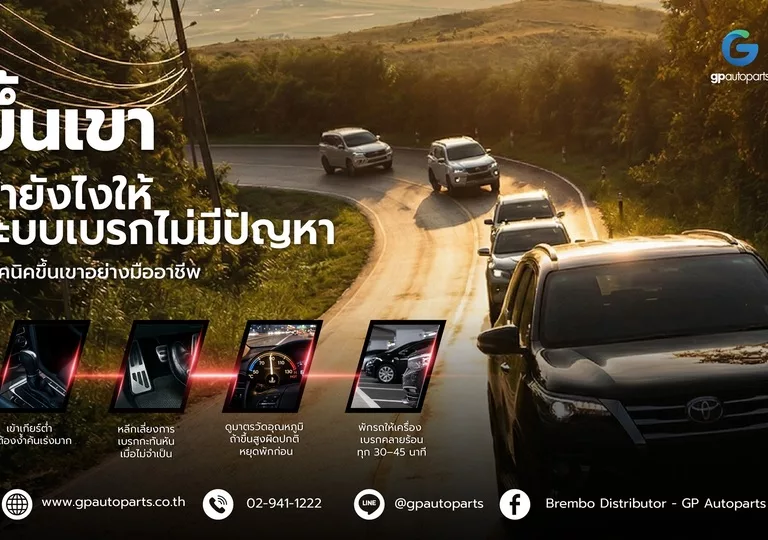
ขึ้นเขาทำยังไงให้ระบบเบรกไม่มีปัญหา web 1

Mountain Driving: How to Keep Your Brakes Trouble-Free

When driving on mountain roads or long, steep grades, many drivers focus mainly on engine power, but the braking system is just as important—especially when descending. Improper braking can lead to brake fade, a burning smell from overheated brake pads, or even a significant loss of braking performance at a critical moment, increasing the risk of an accident. Here are some important techniques and precautions to help you drive safely on mountain roads while keeping your brakes performing effectively. Professional Mountain Driving Techniques Use a Lower Gear Select an appropriate lower gear to improve vehicle control and allow the engine to help manage speed, especially on downhill sections. This reduces excessive brake use and helps prevent brake overheating. Avoid Sudden Braking Reduce speed gradually and avoid hard braking at the last moment whenever possible. Repeated heavy braking can generate excessive heat and reduce braking performance. Watch for Signs of Brake Overheating Most passenger vehicles do not have a brake temperature gauge. Pay attention to warning signs such as a burning smell, reduced braking response, or an unusually soft brake pedal. If these occur, stop at a safe location and allow the brakes to cool. Allow the Vehicle and Brakes to Cool During long or demanding mountain drives, take appropriate breaks when needed. Allowing the engine and braking system to cool can help reduce the risk of heat-related brake problems. Using Engine Braking Engine braking is a useful and effective technique when driving downhill. Selecting an appropriate lower gear allows the engine to help control vehicle speed, reducing continuous use of the brake pedal and lowering the risk of brake overheating. Use engine braking together with controlled brake application whenever driving on long or steep downhill sections. Common Mistakes Using Too High a Gear on Steep Roads Using a gear that is too high, particularly when descending, reduces the engine’s ability to help control vehicle speed. This can lead to excessive brake use, overheating, and faster brake wear. Continuing to Drive with Overheated Brakes Continuing to use overheated brakes without allowing them to cool may significantly reduce braking performance and create a dangerous driving situation. Additional Recommendations Always inspect the braking system and overall vehicle condition before driving on mountain roads. Adjust your speed to road, traffic, and weather conditions, and avoid unnecessary acceleration. If you notice signs of brake overheating or reduced braking performance, stop in a safe location and allow the system to cool before continuing your journey.

7 ข้อ เช็คลิตส์ ก่อนเดินทาง 1

7-Point Brake Checklist for a Safe Songkran Trip

7-Point Brake Checklist for a Safe Songkran Trip Long-distance driving puts greater demand on the braking system, especially on steep roads, winding routes, and in heavy traffic. If the brakes are not properly maintained, braking performance may weaken, pedal feel may become inconsistent, or the system may overheat, increasing the risk of an accident. Here is a 7-point brake checklist before your trip that you can inspect yourself or discuss with a technician before setting off. 1. Brake Fluid Level Check the brake fluid reservoir and make sure the fluid level is between the MIN and MAX marks. If the level is too low, it may indicate brake component wear or a fluid leak. Have the vehicle inspected immediately. 2. Brake Fluid Color Fresh brake fluid is usually clear to light yellow. If it becomes cloudy, dark brown, or black, it may have been in use for too long or absorbed moisture. This can lower the boiling point and reduce braking performance. The fluid should be replaced as soon as possible. 3. Brake Pad Thickness Brake pads worn to less than 3 mm may reduce braking performance, cause excessive heat, or create noise during braking. If the pads are close to their wear limit, have them inspected and replace them as recommended by a qualified technician. 4. Brake Disc Surface Cracks, warping, or deep grooves on the brake discs may indicate heavy use or excessive heat buildup. These conditions can cause vibration, uneven braking force, and increase the risk of brake disc damage. 5. Unusual Braking Noise If you hear clicking, scraping, or grinding noises while braking, the brake pads may be excessively worn or foreign material may be trapped in the braking system. Have the brakes checked as soon as possible. 6. Brake Pedal Feel If the brake pedal feels unusually soft or sinks too far, there may be air in the system, low brake fluid, or worn brake system seals. These issues can reduce braking performance and increase the risk of brake overheating or an accident. 7. Inspection by a Qualified Technician If the brakes feel weak, the brake pedal feels soft, or the brake fluid has turned dark, do not ignore the warning signs. Have the system inspected and serviced before your trip by a qualified technician for maximum safety on the road. Checking your braking system before a long journey is more than just a routine inspection — it is an investment in the safety of you and your family. For greater peace of mind, choose high-quality brake fluid and braking components, and have your vehicle inspected by a trusted service center to help ensure a safe Songkran journey.

บทความ การเหยียบเบรกอย่างถูกวิธี

Proper Braking Technique

Using the brake pedal correctly is essential for helping the vehicle stop safely, reducing wear on braking components, and maintaining stable vehicle control in various driving situations. Proper Braking Techniques 1. Apply Light and Gradual Pressure Press the brake pedal with appropriate and steady pressure. Avoid applying maximum braking force suddenly, as this may affect vehicle stability and increase wear on the brake pads and brake discs. 2. Gradually Increase Braking Pressure When the vehicle needs to stop quickly, gradually and smoothly increase pressure on the brake pedal. This helps the vehicle stop safely while allowing the braking system to perform effectively. 3. Avoid Holding the Brake for Too Long Keeping the brakes applied continuously for a long period may cause excessive heat buildup, which can reduce braking performance and potentially lead to premature wear or damage. Is Braking Different Between Manual and Automatic Cars? Both manual and automatic vehicles generally use the same braking principle, where hydraulic brake fluid pressure transfers force to press the brake pads against the brake discs. Therefore, the basic principles of safe brake pedal use are the same: Apply the brakes gradually Increase braking pressure smoothly rather than suddenly Maintain a safe distance from the vehicle ahead Avoid holding the brakes longer than necessary Proper braking means applying smooth and controlled pressure according to the vehicle’s speed and driving conditions. This helps improve safety and extend the service life of the braking system under various driving conditions. However, although the basic braking principles are similar for both manual and automatic vehicles, an important difference lies in how the transmission can be used to help reduce vehicle speed together with the brakes.

ปก การดูแลระบบเบรก

Brake System Maintenance During Seasonal Changes

Changes in weather, especially during seasonal transitions, can affect the performance and safety of a vehicle’s braking system. Regular brake maintenance is therefore essential to ensure that the braking system continues to operate safely and effectively at all times. Brake System Maintenance Tips 1. Check Brake Pads and Brake Discs: Excessively worn brake pads can reduce braking performance. Brake pads should be replaced when their thickness is less than 3 mm. Brake discs with deep scratches, discoloration, or uneven surfaces should be inspected and serviced by a qualified technician. During the rainy season, dirt or small stones may enter the brake area and scratch the discs. Driving through water while the brake discs are extremely hot may also cause them to warp. 2. Check the Brake Fluid Level: Regularly check the brake fluid reservoir. The fluid level should remain between the MAX and MIN marks. A lower-than-normal brake fluid level may indicate a leak in the system or worn brake pads. The vehicle should be inspected immediately. Moisture can reduce brake fluid performance and lower its boiling point. Brake fluid should therefore be replaced according to the vehicle manufacturer’s recommended interval, generally every 2 years. 3. Manage Moisture and Rust: Avoid leaving the vehicle parked in the rain for long periods without driving, as moisture may cause the brake discs to rust more quickly. If the vehicle must remain parked for an extended period in high-humidity conditions, move it a short distance occasionally and apply the brakes gently to help remove surface rust from the brake discs. After driving through water, gently apply the brakes several times while driving at low speed to help remove water and moisture from the braking system. 4. Watch for Warning Signs: Pay attention to unusual symptoms such as abnormal noises when braking, changes in brake pedal feel or travel, steering wheel vibration while braking, the vehicle pulling to one side, or a burning smell. If any of these symptoms occur, have the vehicle inspected by a qualified technician immediately for safety. Regular brake system maintenance, especially during seasonal weather changes, can help extend the service life of brake components, reduce the risk of accidents, and improve overall driving safety.

E0B8A3E0B8A7E0B8A1E0B884E0B8B3E0B8ADE0B8A7E0B8A2E0B89EE0B8A3E0B895E0B8A3E0B8B8E0B8A9E0B888E0B8B5E0B899 2026 1

Compilation of ‘Chinese New Year Greetings 2566’ with Positive and Auspicious Meanings

Wishes on Chinese New Year are messages filled with good intentions. To enhance auspiciousness in various aspects, it’s customary to exchange greetings during the Chinese New Year or Lunar New Year according to the Chinese calendar. Presently, the tradition of exchanging New Year greetings isn’t limited to Thai people of Chinese descent alone, but it’s also embraced by the wider Thai community. Today, G.P. Auto Parts has gathered ‘Chinese New Year Greetings 2566’ with positive meanings to foster good luck and prosperity during the 2566 Chinese New Year festivities. 家好运气 Translated as : May good luck come into your home 新正如意 新年发财 (In Hokkien dialect, pronounced as ‘Xin Jia Yu Yi, Xin Nian Fa Cai’) Translated as : May you have good luck in the New Year and prosper. 年年有余 Translated as : May you have gold and money left for spending every year. 财源广进 Translated as : May gold flow to you abundantly. 日日有见财 Translated as : May you be wealthy every day. 招财进宝 Translated as : Inviting wealth and prosperity. 金玉满堂 Translated as : May you have an abundance of gold and jade. 事业发展 Translated as : May your business advance and prosper. 生意兴隆 Translated as : May your business flourish. 百业兴旺 Translated as : May all industries prosper. 百业兴旺 Translated as : May all businesses thrive. 大吉大利 Translated as : Great luck and great profit. 工作顺利 Translated as : May your work be smooth. 月月涨工资 Translated as : May your salary increase. 新年快乐 身体健康 Translated as : May you have happiness in the New Year and good health throughout the year. 祝你长寿 Translated as : May you have a long life. 龙马精神 Translated as : May you have good health. 万事如意 心想事成 Translated as : May everything go smoothly and may all your wishes come true. 合家平安 Translated as : May your family be happy and peaceful. 家庭幸福 Translated as : May your family be happy. 切如意 Translated as : May all your wishes come true. G.P.Auto Parts would like to extend these well-wishes to everyone. May this Chinese New Year be both joyful and heartwarming for all.???? ___________________________________ Place an order/Become a distributor. GP MOBILITY PUBLIC COMPANY LIMITED Line id: @gpautoparts or Link Contact: https://www.gpmobility.co.th/contact-us/ Follow me: https://linktr.ee/gpmobility Service Monday to Saturday from 08:30 AM to 05:30 PM. 02-941-1222 (Auto),02-579-2882

ภาพปกข่าว รู้จักPM 2.5 1

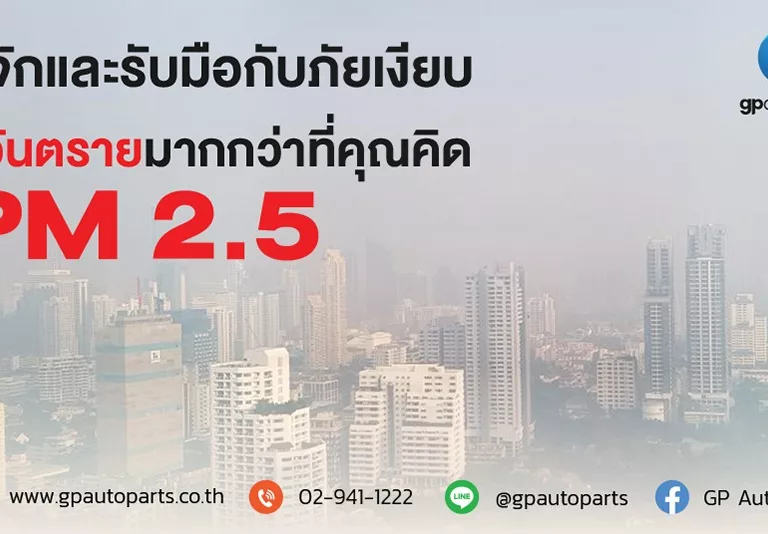
Understanding and Dealing with the Silent Danger of PM 2.5

PM 2.5 refers to fine particulate matter, where “PM” stands for “Particulate Matter” or dust particles. The number 2.5 refers to the size of the particulate matter, which measures no more than 2.5 microns in diameter. To put this in perspective, 2.5 microns is about 1/25th the width of a human hair. This tiny size makes PM 2.5 particles so small that the nose hair, which acts as a filter, cannot block them. Because of their small size, PM 2.5 particles float in the air along with water vapor, smoke, and gases. This allows them to easily enter the respiratory system, bloodstream, and other organs in the body. Additionally, they can carry harmful substances on their surfaces, such as mercury, heavy metals, and carcinogens. These substances can cause significant harm to the body. Causes of PM 2.5 Pollution Wildfires, waste burning, and open-field agricultural burning, such as burning sugarcane fields and weeds. Smoke from industrial processes and dust from construction activities. Emissions from transportation and vehicles, including exhaust fumes and incomplete combustion in engines. Power generation, such as burning petroleum and coal. Everyday human activities, such as smoking, burning incense and candles, paper burning, and using photocopiers.           According to the Department of Pollution Control, it is stated that over 60% of the hazardous PM2.5 originates from diesel engines that burn incomplete fuel, resulting in black smoke and particulate matter.          Additionally, around 35% comes from open burning of waste and construction activities. Warning Signs That PM 2.5 Is Affecting You! If you think PM2.5 isn’t dangerous and is just another type of dust, think again. Due to its incredibly small size, PM2.5 can easily enter your body and severely impact your health. In extreme cases, exposure to this toxic dust can even be fatal. Let’s look at some symptoms indicating that you might be affected by this harmful dust. 1. Red eyes, swollen eyelids, dark under-eye circles, and frequent tearing. 2. Skin eruptions such as bumps or rashes that are red and spread across the skin. 3. Itchy, burning, or congested nasal passages, accompanied by clear nasal discharge. 4. Coughing, sneezing, and a feeling of tightness in the chest. 5. Fever or feeling unusually warm. In the initial stages of exposure to PM2.5, you might not notice significant effects. However, prolonged and continuous exposure to these fine particles can lead to serious long-term health impacts, both internally and externally. Slow brain development, attention deficit Allergies and asthma: Individuals already allergic to dust will experience aggravated symptoms Potential development of severe diseases such as lung cancer, ischemic heart disease, and pneumonia Burning pain on the skin; severe cases may cause hives on the face, joints, and groin Damage to skin cells, leading to weak, easily wrinkled skin Prolonged exposure to PM2.5 during pregnancy can negatively impact the fetus How to Live Away from PM 2.5 We cannot predict when the issue of fine particulate matter like PM2.5 will be resolved. The control measures seem too overwhelming for ordinary citizens. Therefore, what we can do is take care of ourselves, protect ourselves, and avoid behaviors that contribute to the generation of PM2.5. 1. Close doors and windows to prevent dust from entering your home. 2. Avoid exercising or doing heavy work outdoors, especially for patients or those with weak health; they should stay indoors unless absolutely necessary. 3. Drink plenty of clean water to help flush out impurities from your body. 4. Quit smoking; this not only reduces pollution but also strengthens your body. 5. Refrain from burning trash, especially toxic waste like plastic and tires. 6. Maintain your vehicle regularly to prevent pollution, such as changing the engine oil. 7. Replace your car’s air filter to ensure it can filter out dust and pollutants from entering the cabin. 8. Always wear a protective mask when you go outside. However, since PM2.5 particles are very small, regular paper masks are not effective. It is necessary to use thicker masks (N95). Summary PM2.5 is a type of particulate matter that has severe health impacts and tends to occur annually. Currently, Thailand cannot completely eliminate these pollutants. Therefore, we must protect ourselves and avoid behaviors that contribute to pollution. Most importantly, always wear a mask capable of filtering PM2.5 when leaving the house. This not only protects you from harmful dust but also reduces the risk of contracting various infections. Thank you for the information from: https://allwellhealthcare.com ___________________________________ Place an order/Become a distributor. GP MOBILITY PUBLIC COMPANY LIMITED Line id: @gpautoparts or Link Contact: https://www.gpmobility.co.th/contact-us/ Follow me: https://linktr.ee/gpmobility Service Monday to Saturday from 08:30 AM to 05:30 PM. 02-941-1222 (Auto),02-579-2882

วันเซนสัญญา mobil 01

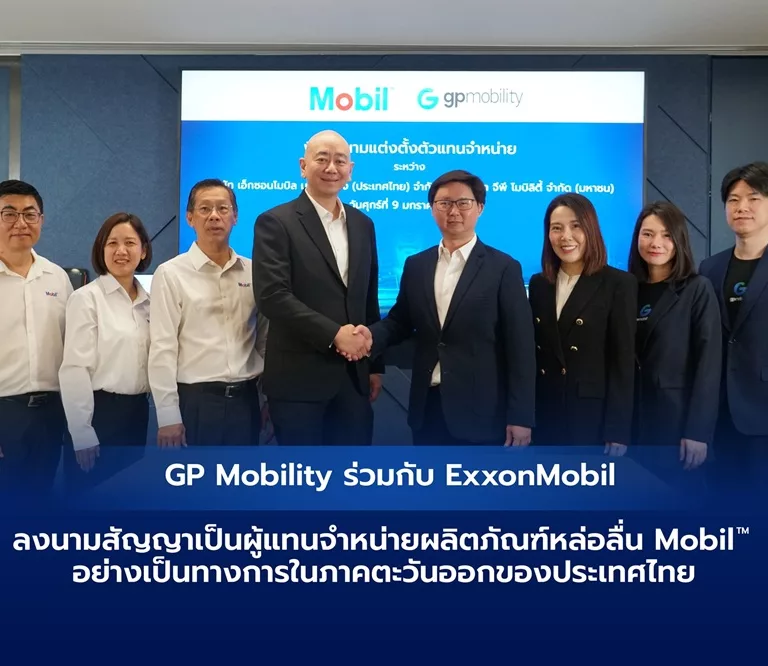
GP Mobility Named Official Mobil™ Lubricants Distributor in Eastern Thailand

GP Mobility Public Company Limited has been officially appointed by ExxonMobil Marketing (Thailand) Co., Ltd. as an authorized distributor of Mobil™ lubricants, covering the Eastern region of Thailand. This collaboration marks a significant milestone in GP Mobility’s strategy to expand its world-class product portfolio. Through this partnership, local parts retailers, auto repair shops, service centers, and end-users will gain easier and more convenient access to premium, internationally recognized lubricants. Official Appointment Signing Ceremony The signing ceremony was held on January 9, 2026, at ExxonMobil Thailand Headquarters, Harindhorn Building, North Sathorn Road, Bangkok. Key executives from both organizations were present for the signing: Mr. Klao Haocharoen, Director and Sales Manager, ExxonMobil Marketing (Thailand) Co., Ltd. Mr. Kaweesin Sirimanitham, Chief Executive Officer, GP Mobility Public Company Limited This ceremony marked the beginning of a strategic partnership aimed at strengthening the distribution network of Mobil™ lubricants across Thailand, with a key focus on the Eastern region. Coverage Area: 7 Key Provinces in Eastern Thailand GP Mobility will be responsible for distributing Mobil lubricants in the following provinces:Samut Prakan, Chonburi, Rayong, Chachoengsao, Chanthaburi, Sa Kaeo, and Trat. Customers in these areas can be confident in receiving genuine Mobil products, supported by fast distribution and a team that understands the local market deeply. Mobil™: A Global Leader in Lubrication Technology Mobil is a globally recognized lubricant brand known for its cutting-edge engine protection technology. Its products help reduce friction, minimize wear, and effectively manage engine heat — making them ideal for Thailand’s driving conditions. 🔧 GP Mobility Offers the Full Range of Mobil Products: Mobil 1™ – Advanced full synthetic motor oil for premium performance Mobil Super™ – Reliable protection for everyday driving Mobil Delvac™ – Heavy-duty engine oil for trucks, commercial vehicles, and industrial use From family cars to pickup trucks and commercial fleets — GP Mobility is ready to serve every need. Learn more about Mobil™ products     

การโอนรถยนต์ ต้องเตรียมเอกสารอะไรบ้าง ขั้นตอนและค่าใช้จ่ายที่ควรรู้

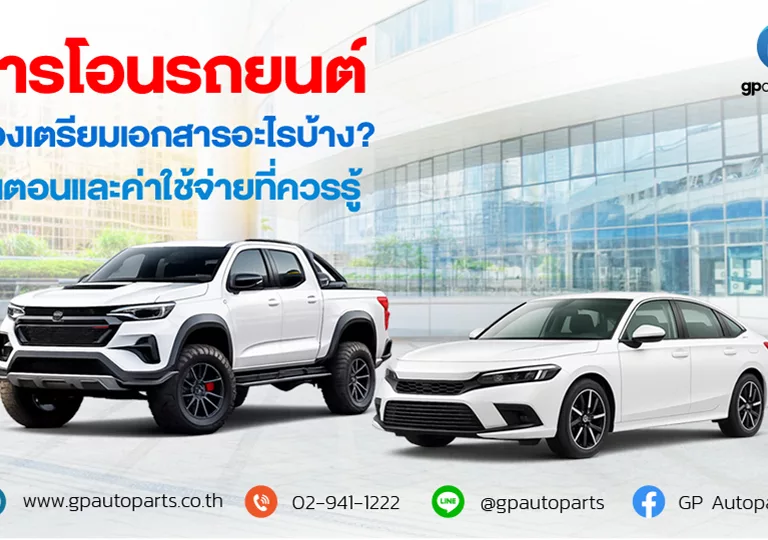
Car Ownership Transfer: Documents, Procedures, and Costs You Should Know

Required Documents, Process, and Fees You Should Know Buying or selling a used car—or transferring a vehicle to a family member—will only be legally complete once the ownership transfer has been officially recorded and the new owner’s name is updated in the vehicle registration book. Many people worry that the process may be complicated, but in fact, if all required documents are prepared correctly, the transfer can usually be completed within half a day at the Department of Land Transport (DLT). Types of Car Ownership Transfer A car ownership transfer is the legal process of changing the registered owner of a vehicle from one person to another. Understanding the transfer methods and preparing the correct documents in advance will help ensure a smooth and efficient process. Currently, there are two main types of car ownership transfer in Thailand: Direct Transfer Floating Transfer 1. Direct Transfer A Direct Transfer occurs when both the seller (transferor) and the buyer (transferee) go together to the Department of Land Transport to complete the ownership transfer on the same day. This method is considered the most secure and transparent. Required Documents for Direct Transfer Vehicle Registration Book (Blue Book) – Original Copy of National ID Card of both transferor and transferee, signed and certified Copy of House Registration of both parties (may be required in some cases) Sales Contract / Receipt / Tax Invoice as proof of sale Application for Transfer and Acceptance Form, fully completed and signed by both parties Power of Attorney Letter (if one party cannot attend in person), with stamp duty affixed and a copy of the authorized person’s ID card 2. Floating Transfer A Floating Transfer is when the seller does not personally attend the transfer process. Instead, the seller signs the necessary documents and grants power of attorney to the buyer, who then completes the transfer at the Department of Land Transport independently. This method is popular because it saves time for the seller. Required Documents for Floating Transfer Vehicle Registration Book (Blue Book) – Original Original Sales Contract Copy of National ID Card of the seller, signed and certified (at least 2 copies) Copy of National ID Card of the buyer Car Ownership Transfer Fees The Department of Land Transport charges the following fees for car ownership transfer: Application fee: 5 THB Ownership transfer fee: 100 THB Stamp duty: 0.5% of the vehicle’s assessed value, or 500 THB per 100,000 THB of assessed value Vehicle inspection fee: Approximately 50 THB (especially for vehicles older than 7 years) Some locations may charge around 200–300 THB New license plate fee: 200 THB (if requesting new plates) New registration book fee: 100 THB (in case of a damaged or replacement book) Steps for Car Ownership Transfer at the Department of Land Transport Car ownership transfer at the DLT requires proper document preparation and adherence to official procedures, whether using a direct or floating transfer method. Step-by-Step Process 1. Prepare All Required Documents Before visiting the DLT, ensure all documents are complete, such as: Vehicle registration book (original) National ID cards of both parties Copies of house registrations Sales contract or receipt Transfer application form (downloaded and filled in advance) Power of attorney letter (if applicable) Additional documents if required (e.g., inheritance documents) 2. Visit the Department of Land Transport Go to the DLT office where the vehicle is registered Inform the staff that you wish to transfer vehicle ownership 3. Submit Documents and Pay Fees Submit documents for verification Pay all applicable fees, including transfer fees, inspection fees, and registration book fees 4. Document and Vehicle Inspection Officials will verify document accuracy Vehicle inspection may be required in some cases Receive receipts and confirmation documents 5. Wait for the New Registration Book Once approved, the DLT will update the ownership details The new registration book is typically issued within 1–2 weeks, depending on the location 6. Verify the Registration Book Check all details carefully once received Keep the registration book and documents in a safe place Additional Tips Double-check all documents before visiting the DLT to avoid delays If using a power of attorney, always attach a signed copy of the grantor’s ID card Prepare sufficient funds in advance and bring cash or a debit/credit card as required by the DLT office Reference:Department of Land Transport (DLT), Thailand

เบอร์โทรฉุกเฉินปีใหม่ 2569 1

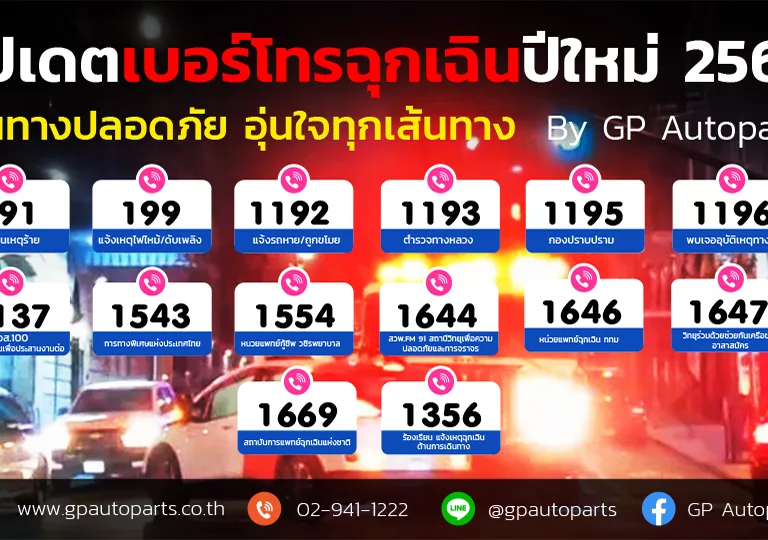
📞 Update Emergency Contact Numbers for New Year 2025! 🚨 Travel Safely and Sta Every Route with GP Autoparts.

Update Emergency Contact Numbers for New Year 2025! Travel Safely and Stay at Ease Every Route by GP Autoparts Emergency Contact Numbers for Travel: 1543 – Expressway Authority of Thailand 1193 – Highway Police 1155 – Tourist Police (Report emergencies or crimes involving tourists) 1644 – SWP FM91 Safety and Traffic Radio Station 1690 – State Railway of Thailand 1146 – Department of Rural Roads 02-134-4077 – Tourist Assistance Center (TAC) Having these emergency contact numbers on hand will help you quickly reach the relevant authorities in case of unexpected events during your travels. Wishing everyone a safe journey this New Year! ___________________________________ Place an order/Become a distributor. GP MOBILITY PUBLIC COMPANY LIMITED Line id: @gpautoparts or Link https://bit.ly/3fO3YMO Contact: https://www.gpmobility.co.th/contact-us/ Follow me: https://linktr.ee/gpmobility Service Monday to Saturday from 08:30 AM to 05:30 PM. 02-941-1222 (Auto),02-579-2882