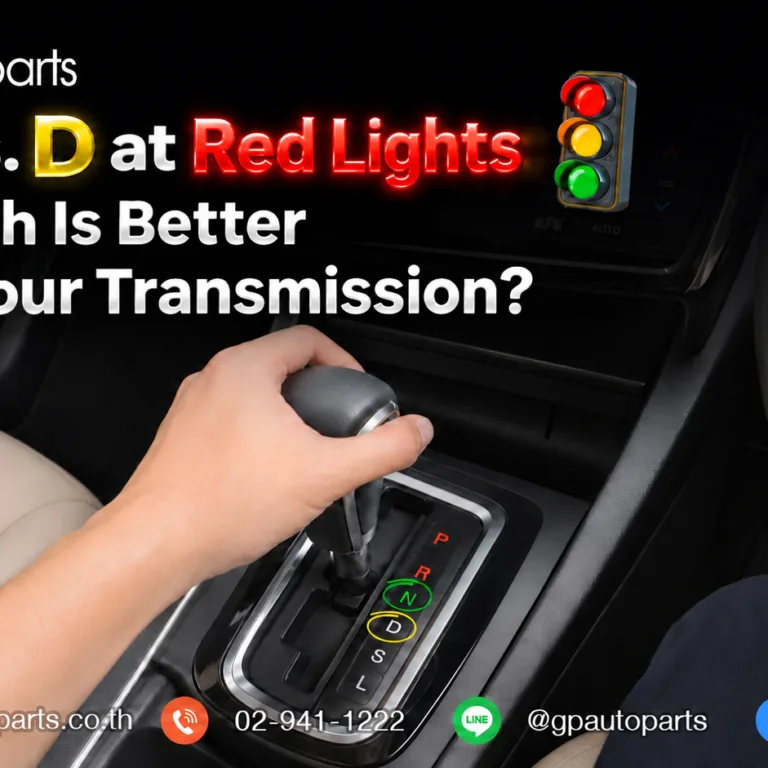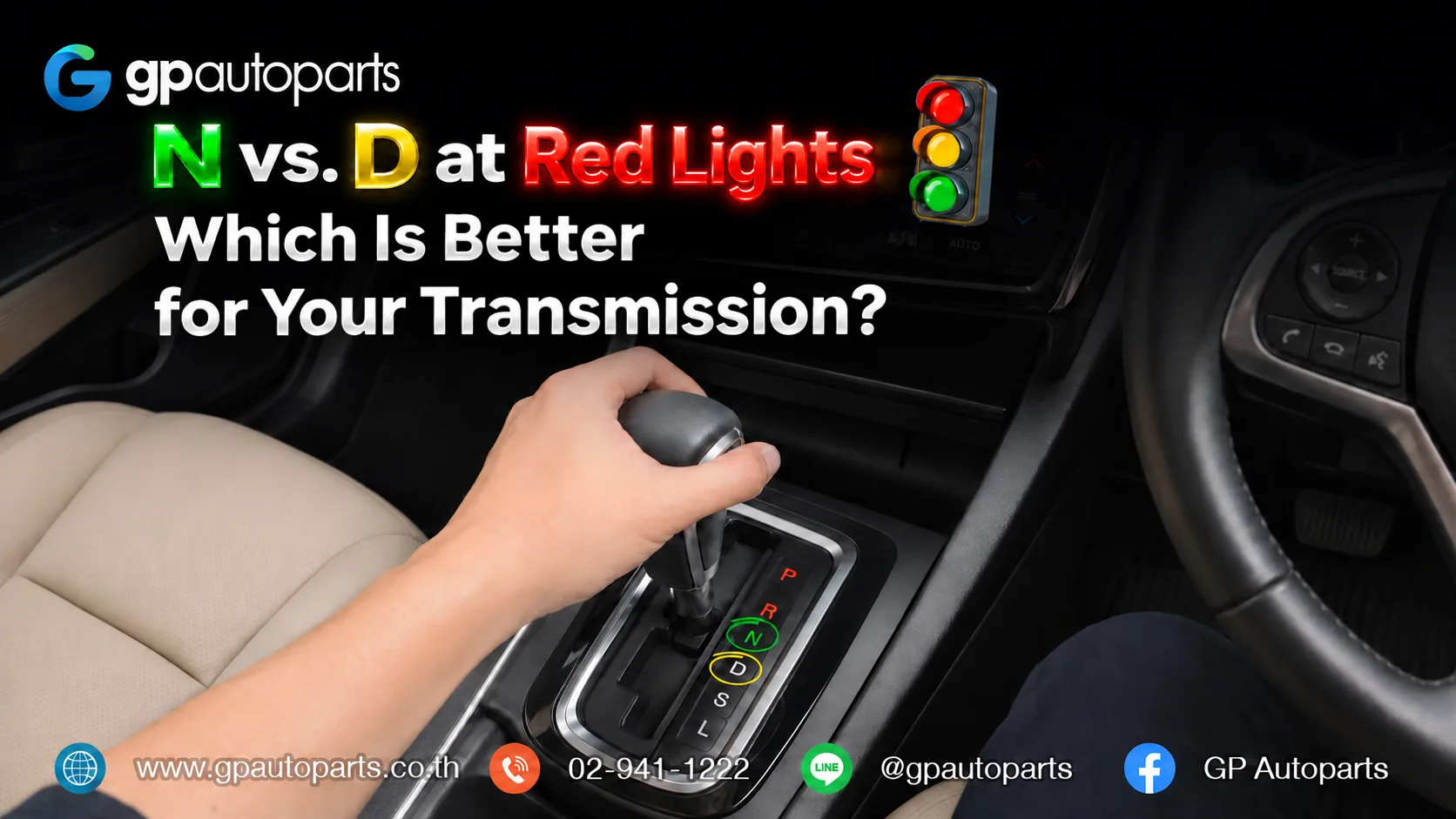
When Stopped at a Red Light, Should You Shift to N or Stay in D? Which Is Better for Your Transmission?
N vs D at Red Lights: Which Is Better for Your Transmission? N vs D at red lights is a common question among drivers who want to protect their automatic transmissions. When stopping at a traffic light, should you shift into Neutral (N) or stay in Drive (D) while pressing the brake pedal? Which option helps extend transmission life? Some drivers believe shifting to N reduces transmission load and saves fuel. Others prefer staying in D because frequent gear changes may be unnecessary and could increase the risk of driving mistakes. So, which option is better for everyday driving? GP Autoparts explains the differences between N and D, when to use each gear, and how to maintain your automatic transmission for long-term reliability. What Is the Difference Between N and D? Before deciding whether to use N or D at red lights, it is important to understand how these two gear positions work. D (Drive) is used to move the vehicle forward. When stopping in D, the driver must keep the brake pedal pressed or use a supported brake-holding system to prevent the vehicle from moving unintentionally. N (Neutral) is a gear position that disconnects driving power from the wheels according to the transmission system’s design. However, the vehicle can still roll, so the driver must use the brake pedal or parking brake to keep it stationary. Both positions can be used when a vehicle is stopped in certain situations. However, the appropriate choice depends on traffic conditions, transmission type, and the vehicle manufacturer’s recommendations. N vs D at Red Lights: Which Gear Should You Use? When comparing N vs D at red lights, there is no single best choice for every vehicle. Automatic transmissions have different designs and operating characteristics. The following guidelines explain when staying in D or shifting to N may be appropriate. 1. Short Stops at Red Lights: Stay in D For short stops at traffic lights or during stop-and-go traffic, you can usually stay in D while pressing the brake pedal. There is no need to shift into N every time the vehicle stops. Advantages of Staying in D Allows the vehicle to move forward when the traffic light changes. Reduces unnecessary gear changes. Provides convenience during city driving and traffic congestion. For vehicles designed to remain in D while stopped, holding the brake pedal is normal operation and does not cause immediate transmission damage. Some modern vehicles also have an Auto Brake Hold system that maintains braking force when the vehicle is stationary. This feature allows the driver to release the brake pedal under the system’s operating conditions. Always follow the manufacturer’s instructions when using Auto Brake Hold. 2. Long Stops at Red Lights: N May Be an Option For longer stops, some automatic transmission vehicles allow drivers to shift into N while keeping the brake pedal pressed or applying the parking brake. Potential Benefits of Shifting to N May reduce driving force transmitted through the transmission system while stopped. May reduce vehicle vibrations in certain models. Can be suitable for extended stops when permitted by the manufacturer. However, shifting into N does not always protect the transmission better or save more fuel than staying in D. The actual benefits depend on the vehicle’s transmission design and engine management system. For example, some hybrid vehicles cannot charge their hybrid batteries while in N. Drivers should therefore check their owner’s manual before using Neutral during extended stops. Does Shifting to N at Red Lights Save Fuel? One common question in the N vs D at red lights discussion is whether shifting into Neutral helps reduce fuel consumption. In some vehicles, shifting from D to N may change the engine load while stopped. However, this does not necessarily result in significant fuel savings for every vehicle. Modern vehicles may also feature an Auto Start-Stop system that automatically shuts off the engine when the vehicle comes to a stop. This system operates according to specific conditions, including: Gear position. Battery condition. Air conditioning system operation. For better fuel efficiency, drivers should follow the manufacturer’s recommendations and avoid unnecessary fuel-consuming driving habits rather than shifting to N at every traffic light. Should You Shift to P When Stopped at a Red Light? Shifting into P (Park) is not necessary during normal stops at red lights. Park is designed for parking the vehicle rather than waiting in traffic. Unnecessary shifting into P also requires the driver to return to D before moving forward, potentially increasing the risk of mistakes when driving in busy traffic. For extended parking or when leaving the vehicle unattended, follow proper parking procedures and apply the parking brake as recommended by the manufacturer. Can Frequently Switching Between N and D Damage Your Transmission? Another concern about N vs D at red lights is whether frequently changing between these gear positions can damage an automatic transmission. Switching between N and D correctly does not immediately damage the transmission. However, unnecessary gear changes may increase the risk of driving mistakes. Driving Habits to Avoid Shifting into D while pressing the accelerator: This may cause sudden jolts and additional stress on the drivetrain. Revving the engine in N before shifting into D: This may increase transmission load and the risk of damage. Releasing the brake without checking the gear position: This may cause unintended vehicle movement. Changing gears without following the owner’s manual: Certain transmission systems require specific operating procedures. Automatic transmissions such as AT, CVT, and DCT systems, as well as hybrid drivetrains, operate differently. Therefore, drivers should always follow recommendations specific to their vehicle model. 5 Tips to Protect Your Automatic Transmission Understanding N vs D at red lights is only one part of proper transmission care. Correct driving habits and regular maintenance are also essential for maintaining transmission performance and extending its service life. 1. Stop Completely Before Shifting Between D and R Always press the brake pedal and bring the vehicle to a complete stop before shifting between Drive and Reverse. This helps prevent