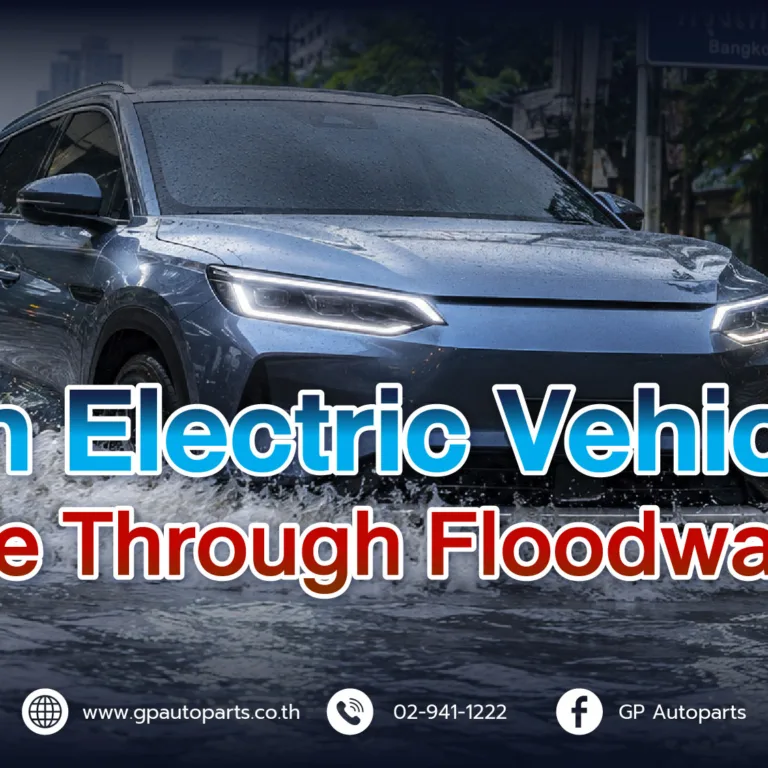
Can EVs Drive Through Floodwater? How to Care for Your EV After Driving Through Flooded Roads and Prevent Potential Damage
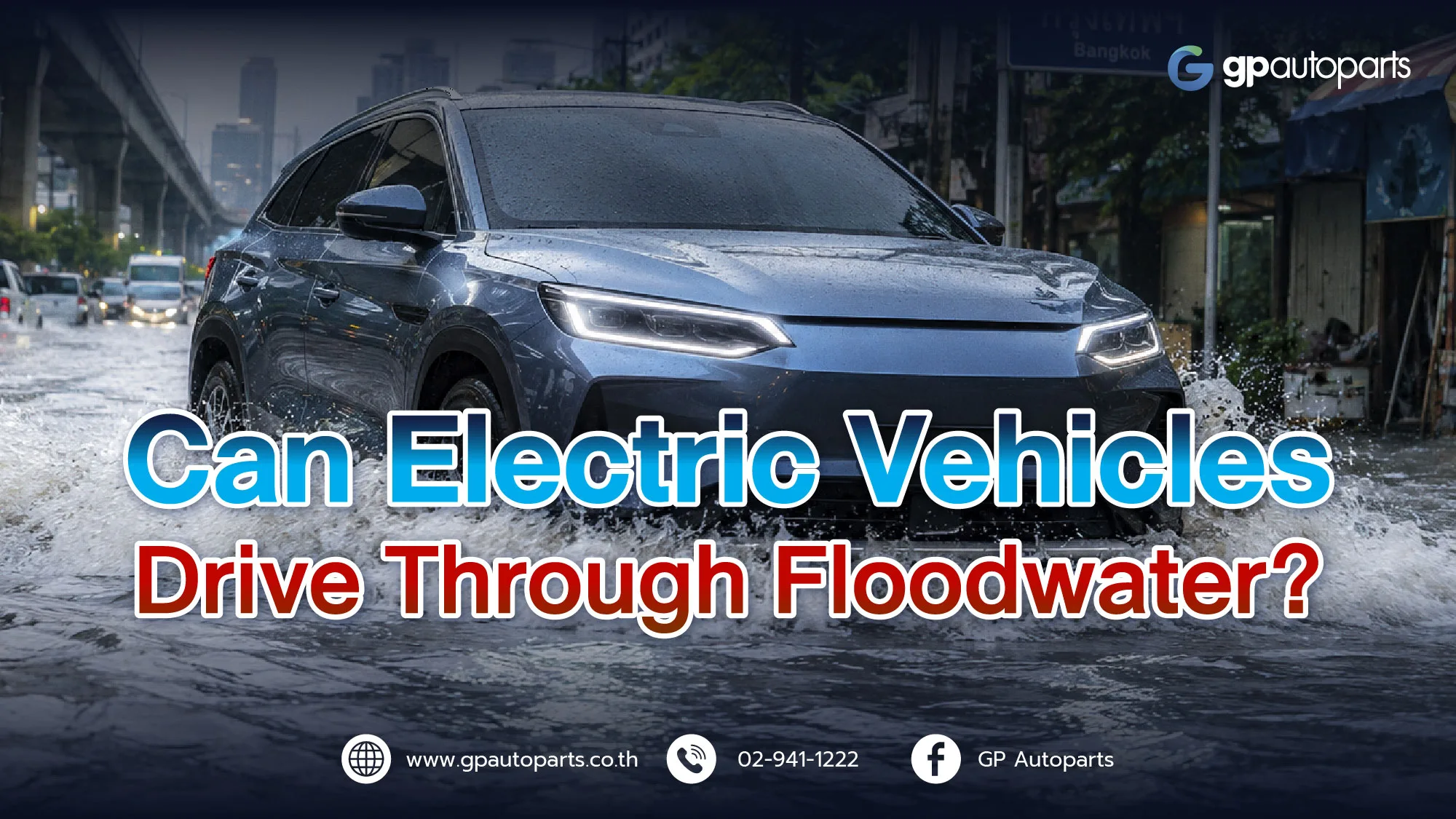
Can EVs Drive Through Floodwater? Essential Care Tips After Driving Through Flooded Roads During the rainy season, Thailand often experiences flooding and waterlogged roads. Many electric vehicle (EV) owners may wonder whether EVs can safely drive through floodwater, whether there is a risk of electric shock or battery damage, and how the vehicle should be cared for afterward if driving through a flooded area cannot be avoided. Although many electric vehicles are designed with water- and dust-resistant protection for critical components, this does not mean they can safely drive through floodwater of any depth. Understanding the vehicle’s limitations and knowing the correct maintenance procedures are therefore essential for every EV owner. This article explains what EV drivers should know about driving through floodwater and provides practical guidance on how to inspect and care for the vehicle afterward to help reduce the risk of damage and improve overall safety. 1. Can Electric Vehicles Drive Through Floodwater? The answer is that EVs may be able to drive through shallow standing water in certain situations, but they should not be driven through deep floodwater or fast-moving water. Each vehicle model has different limitations regarding water depth, so the owner’s manual should always be used as the primary reference. Electric vehicles are equipped with high-voltage battery systems and electrical control units designed with protective measures according to the manufacturer’s standards. However, water resistance does not mean that the vehicle can remain submerged or sit in floodwater for an extended period without the risk of damage. Key areas that require particular attention include: High-voltage battery: If the battery pack or its sealing system is damaged, there may be electrical and thermal safety risks. Electrical systems and control units: Water and debris may affect connectors, wiring, and low-voltage electrical systems. Motor and drivetrain: The extent of potential damage depends on the vehicle’s design and the level of water exposure. Braking and suspension systems: Water, mud, and debris may affect performance and may also lead to corrosion. 2. What Water Levels Should EV Drivers Avoid? Shallow Standing Water on the Road Shallow water generally presents less risk than deep flooding. However, drivers should still check road conditions and refer to the vehicle manual before proceeding. If you are unsure whether there are potholes, uneven surfaces, or sudden changes in water depth, it is safer to take an alternative route. Water Level Near the Wheel Hub Driving through water at this level should be avoided because it may affect components underneath the vehicle as well as electrical systems. Guidance from the Electric Vehicle Association of Thailand recommends avoiding floodwater that rises above the wheel hub. Deep Floodwater, Fast-Moving Water, or Roads Where the Surface Cannot Be Seen Do not attempt to drive through these conditions. There is a serious risk of losing control of the vehicle, allowing water to enter critical systems, and creating potentially life-threatening situations. Important: There is no single water depth that can be considered safe for every EV. Always consider the manufacturer’s recommendations, water conditions, and road conditions together. 3. How to Care for an EV After Driving Through Floodwater After driving through standing water, even if the vehicle appears to operate normally, it is advisable to carry out a basic inspection. If the water level was high enough to pose a risk to the electrical system, the vehicle should be inspected by an authorized service center before being used again. Step 1: Inspect the Exterior of the Vehicle Check for mud, debris, damage underneath the vehicle, and visible water marks on the body. If any damage is found or there is reason to suspect that water has entered critical components, stop using the vehicle and contact a service center. Step 2: Inspect the Battery and Electrical Systems If the vehicle has been submerged, exposed to water reaching a potentially hazardous level underneath the vehicle, or displays an electrical system warning, have a qualified technician inspect the high-voltage battery, wiring, connectors, and control systems. Do not open the battery pack or disconnect high-voltage cables yourself. Step 3: Clean and Remove Moisture Check the carpets, cabin floor, seats, and luggage compartment for signs of water ingress. If water has entered the interior, necessary components should be removed and properly dried by a technician to help reduce the risk of unpleasant odors, mold, and corrosion. Step 4: Inspect the Braking and Suspension Systems Have the braking system, wheels, suspension, and other components that may have come into contact with water or mud inspected, especially if the vehicle has been driven through floodwater containing large amounts of debris. Step 5: Inspect the Vehicle Before Charging If the vehicle has been flooded or there is any suspicion that water may have entered the charging port, battery system, or electrical components, do not connect the vehicle to a charger until a service center has inspected it and confirmed that it is safe. Any charging equipment that has come into contact with water should also be inspected. 4. What Should You Do If an EV Has Been Submerged in Floodwater? Immediate Actions 1. Do not switch on the vehicle or attempt to start it, even if it appears normal from the outside. 2. Do not connect the vehicle to a charger, and do not attempt to disconnect or repair the high-voltage electrical system yourself. 3. Contact an authorized service center and your insurance provider for advice and to arrange suitable flatbed transportation. 4. If it is safe to do so, take photographs of the vehicle and the floodwater level as evidence for an insurance claim. 5. If you notice smoke, an unusual odor, a hissing sound, or abnormal heat, move away from the vehicle immediately and contact emergency services. 5. How to Prevent EV Damage During Flooding Preparing in advance can significantly reduce the risk of damage, especially in areas where heavy rain or flash flooding warnings have been issued. Monitor weather and flood warnings and plan your route before traveling. If there is a risk of flooding, move the